“Alongside international expansion, Arania is also pursuing diversification””

The golden rule of sales management , customers who leave because of price may return for quality, but those who leave because of quality will never return, regardless of price, underpins many of Aitor Garay‘s reflections on the challenges facing the European steel industry. This is why he firmly states that “quality is non-negotiable at Arania” when asked about the possibility of reducing product costs. Nevertheless, Aitor acknowledges that the challenging conditions facing the steel sector have prompted Arania to explore “new markets and new products” beyond the automotive industry in order to remain competitive.
Q. The steel industry is heavily dependent on energy, and there seems to be no end in sight to rising gas and fuel prices. How is this affecting Arania’s operations?
A. Energy has a direct impact on our rolling and processing operations, as well as an indirect impact through its influence on the price of steel coils, our main raw material. That said, the steel market is never driven by a single factor. Scrap metal, iron ore and, above all, the balance between supply and demand also play a significant role. We operate in a cyclical industry that has historically demonstrated its ability to adapt to these kinds of circumstances.
“Energy plays a role, but supply and demand remain the main drivers of the steel market.”
“Rather than signs of recovery, I see opportunities for companies that are able to adapt.”
Q. Asian competition, US tariff policies and the conflicts in Iran and Ukraine… You have had to navigate a particularly complex environment. Do you see any signs of recovery amid these challenges?
A. Rather than talking about signs of recovery, I would focus on adaptation. The European automotive market is unlikely to return to its 2018 production volumes, and everyone across the supply chain needs to accept that reality. Asian competition and geopolitical developments are accelerating an industrial restructuring that will also affect the steel sector. Against this backdrop, opportunities will emerge for companies capable of delivering added value, flexibility, innovation and strong customer relationships.
“Although Chinese car manufacturers have already begun establishing a presence in Europe, they do not yet represent an opportunity for us. However, that could change if Europe encourages greater local content.”
Q. Chinese car manufacturers, which previously shipped vehicles from China, have already begun establishing operations in Europe. Could this represent an opportunity for Arania?
A. Not at present. Many Chinese manufacturers maintain highly integrated supply chains, with a significant proportion of components still coming from Asia. However, we are going through a period of transition. If Europe commits to increasing local content and strengthening its industrial base, opportunities could arise for specialised suppliers such as Arania.
Q. What is the current situation in the Latin American market?
A. Our business in Latin America is closely linked to the automotive industry, particularly in Mexico. For many years, the free trade agreement with the United States allowed components manufactured in Mexico to enter the US market tariff-free. However, changes in US trade policy have altered the rules of the game by extending tariffs to processed products as well. This is forcing the entire supply chain to adapt and represents a significant challenge for an industry that developed over several decades under that trade framework.
“Trump's tariff policies have led to a sharp rise in steel prices in the United States and caused supply shortages. This is creating opportunities for us.”
Q. And how are things developing at the moment?
A. Changes in tariff policies have forced many Mexican customers to concentrate their purchases in the United States, leading to substantial price increases and supply shortages. This situation has disrupted supply chains and is creating new opportunities for Arania. Even when customers have to pay tariffs, their priority is to secure a reliable supply so they can fulfil their orders. What initially appeared to be a threat is turning into an opportunity, as the market has realised that replacing trusted suppliers is not as straightforward as it once seemed.
“Expanding into new markets is challenging for Arania because we manufacture tailor-made steel, primarily for the automotive industry. It is a high-value-added product that commands a premium price.”
Q. International expansion has always been a key priority for Arania. Is there still room for growth in Latin America? Are there new markets to explore?
A. We have a project called Radar 360, which aims to identify emerging market opportunities, new products and new markets. It is not easy because we manufacture tailor-made steel, developed to meet our customers’ specific requirements, and our products are largely focused on the automotive sector. Entering new markets is challenging because we offer high-value-added materials at a premium price. However, we are actively exploring opportunities beyond the automotive industry, looking for new markets and new products, including products other than steel.
Q. So, alongside international expansion, Arania is also pursuing diversification.
A. Yes, and we have been doing so for some time.
“Although sustainability is not yet a decisive purchasing factor in Latin America, our customers see it as a positive attribute.”
Q. Sustainability is a defining feature of Arania and the Group as a whole. How important is it in the Latin American market?
A. It is not yet a decisive purchasing factor, as it is in Europe, but it is becoming increasingly relevant. Our customers view the progress we are making in sustainability very positively, and we believe it will become an increasingly important consideration in the coming years.
“Our customer satisfaction surveys confirm the high standards of excellence Arania achieves as a supplier.”
Q. What are Arania’s main strengths and what value does the company offer in this environment?
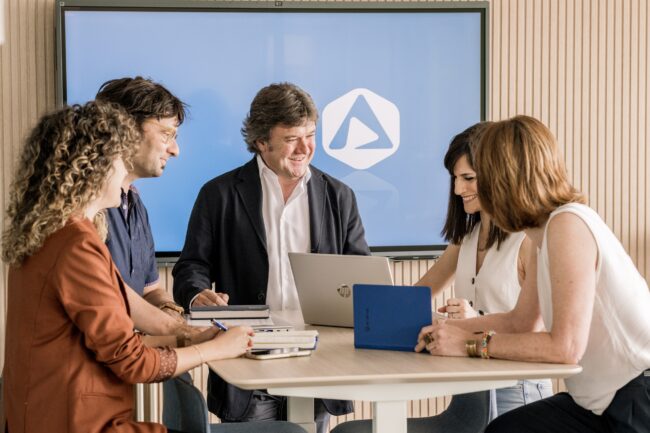
A. I always refer to the four Ps: Product, Punctuality, People and Price. Our customers particularly value the quality of our products, the flexibility of our service and the close relationships they have with our teams. Our customer satisfaction surveys consistently show that we achieve excellent results in these areas. This demonstrates that our value proposition goes far beyond price.
“What sets us apart is our product, our service and our people.”
Q. How important is price to your customers in the current climate? Are they still prioritising quality, or is price becoming the deciding factor?
A. Quality remains a non-negotiable requirement for our customers, but Europe’s declining competitiveness is increasing pressure on costs. Many companies are looking for more affordable alternatives to compete in an increasingly demanding market, particularly against China. At Arania, we understand this need, but we remain committed to maintaining the quality standards we consider essential. The challenge today is to strike the right balance between competitiveness, efficiency and added value.
“Quality is non-negotiable; the challenge is to improve competitiveness.”
“The Arania brand is a strong selling point because it inspires trust.”
Q. How do you think customers, suppliers and other stakeholders perceive Arania? What role does the company’s brand image play in your sales activities?
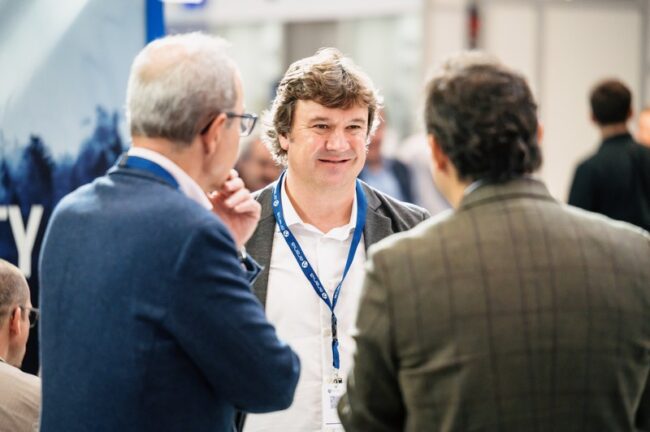
A. Arania is a well-known and respected brand within the industry. We see this every year at international trade fairs and through our daily interactions with customers and suppliers. We have successfully established a strong position in highly demanding markets such as Germany and Italy, demonstrating the strength of our business. Above all, we are a company that inspires trust because we deliver on our commitments and build long-term relationships.